§ Chapter 01 — The history

A hundred small decisions, compounded.

Scrub through 180 years of Tyler and Lindale. Watch what we built — and, just as importantly, what we stopped building when the railroads gave way to roads and the roads gave way to loops.

Every dot is a real decision, a real piece of infrastructure, a real vote. None of it is fate. All of it was chosen — most of it by less than a dozen people in any single room.

1850
1880
1910
1940
1970
2000
2025
2045
1 / 27
Era · Founding
1846
April 11, 1846

A courthouse square

Texas Legislature creates Smith County; Tyler designated county seat.

Tyler
200
Lindale
0

The townsite was selected by a panel of legislative commissioners and named for President John Tyler. A 28-block grid was laid around a central square — the compact, walkable, mixed-use template every American town used before cars.

Decided by: Texas Legislature (Republic-era statehood transition)

Source: TSHA Handbook — Tyler, TX

EAST TX OILFIELDJIM HOGG HWY 1921I-20LOOP 323LOOP 49TYLER STATE PARKDENSER COREBRT / FREQ. BUSTYLERN
Fig. — Tyler / Lindale, Smith County · schematic1846
Rail
Early road
Interstate
Loop
Sprawl
Trail / future
§ Index of decisions

Every milestone, with a name attached.

1846
A courthouse square
April 11, 1846

Texas Legislature creates Smith County; Tyler designated county seat.

Decided by: Texas Legislature (Republic-era statehood transition)

TSHA Handbook — Tyler, TX

1850
Tyler incorporates
January 29, 1850

McDonald Lorance is sworn in as Tyler's first mayor.

Decided by: Tyler voters; alderman charter

TSHA Handbook

1873
Lindale settles in
Founding

Elijah Lindsey opens the first general store. Lyndale post office follows.

Decided by: Elijah Lindsey, Richard B. Hubbard (Confederate veteran turned planter)

visitlindale.com

1875
Lindale joins the rail map
Railroad

International–Great Northern Railroad extends through Lindale.

Decided by: International–Great Northern Railroad; Gov. Richard B. Hubbard

TSHA Handbook — Lindale, TX

1879
Cotton Belt shops in Tyler
Railroad

Texas & St. Louis Railway puts machine shops and hospital in town.

Decided by: Texas & St. Louis Railway directors

1900
The arc of rail-oriented towns
Railroad

Troup, Bullard, Lindale — every town within walking distance of its depot.

1907
Tyler becomes a city
Railroad

Tyler crosses 10,000 residents; truck farms and orchards anchor the economy.

1921
Hard surface arrives
Roads

$1M Smith County road bond pays for the first paved road.

Decided by: Smith County Commissioners Court; 1919 bond voters

1930
Daisy Bradford #3 comes in
October 3, 1930

C.M. "Dad" Joiner discovers the East Texas Oilfield — largest in the world.

Decided by: C.M. Joiner; the East Texas geology nobody else trusted

TSHA Texas Day-by-Day

1935
CCC at Tyler State Park
Oil

CCC Company 2888 begins building Tyler State Park.

Decided by: Federal CCC (Roosevelt admin); State Parks Board

1942
Tyler Transit begins
Oil

First city bus service launches.

Decided by: Tyler City Commission (manager-commission government)

1955
The square is split for Broadway
Oil

Smith County demolishes 1909 courthouse; extends Broadway through the square.

Decided by: Smith County Commissioners Court

1970
I-20 makes Lindale
Sprawl

Interstate 20 routes through Lindale — its single most consequential event.

Decided by: Federal Highway Administration; TxDOT routing

1985
An outer loop is sketched
Sprawl

Planning begins for a second, outer freeway loop.

2003
Loop 49 toll plan
Sprawl

Tyler District begins formal exploration of tolling.

Decided by: TxDOT Tyler District; NET RMA founding board

2005
Public hearing — Loop 49 tolling
October 25, 2005

Toll proposal gets 80% approval at the public hearing.

Decided by: FHWA; Texas Transportation Commission

TTI report 5-4055-01-6

2006
Loop 49 opens — tolled
August 22, 2006

Segment 1 opens (SH 155 → US 69, 5 miles). Tolling starts mid-November.

Decided by: NET RMA board; TxDOT

2013
Loop 49 reaches I-20
March 28, 2013

Segment 3B completes a 10.2-mile arc from SH 31 to I-20.

2022
The housing shock
Migration

Tyler home prices reach $280k — up 36% in 5 years.

Decided by: Market; the missing-middle ban in zoning

2022
Neal Franklin sworn in as Smith County Judge
November 9, 2022

Former Pct 1 Commissioner takes the bench at the head of Commissioners Court.

2025
Tyler Transit → MicroTransit
January 13, 2025

Tyler abandons fixed routes for on-demand service.

Decided by: Tyler City Council

City of Tyler

2025
Via partnership adopted
November 12, 2025

Tyler Council approves contracted Via drivers for MicroTransit overflow.

Decided by: Tyler City Council (Mayor Don Warren presiding)

2026
Tyler Tomorrow is adopted
March 25, 2026

20-year comprehensive plan names the "missing middle" — finally.

Decided by: Tyler City Council — Mayor Don Warren, Hene, Hawkins, Marsh, Wynne (D4), Nichols, Curtis (D6)

Tyler Morning Telegraph; cityoftyler.org

2026
A new council seats
May 14, 2026

Clint Childs (D4) and Carleen Dark-Bays (D6) sworn in.

Decided by: Tyler voters, May 2, 2026 election

2045
Two Tylers
Choice

The plan horizon. The choice every council vote compounds toward.

§ Archive

The photographs still in the drawer.

From the Smith County Historical Society PH Collection (founded 1959, archives the 1870s onward), the Library of Congress FSA collection, the Texas Historical Commission, and the TxDOT photo archives.
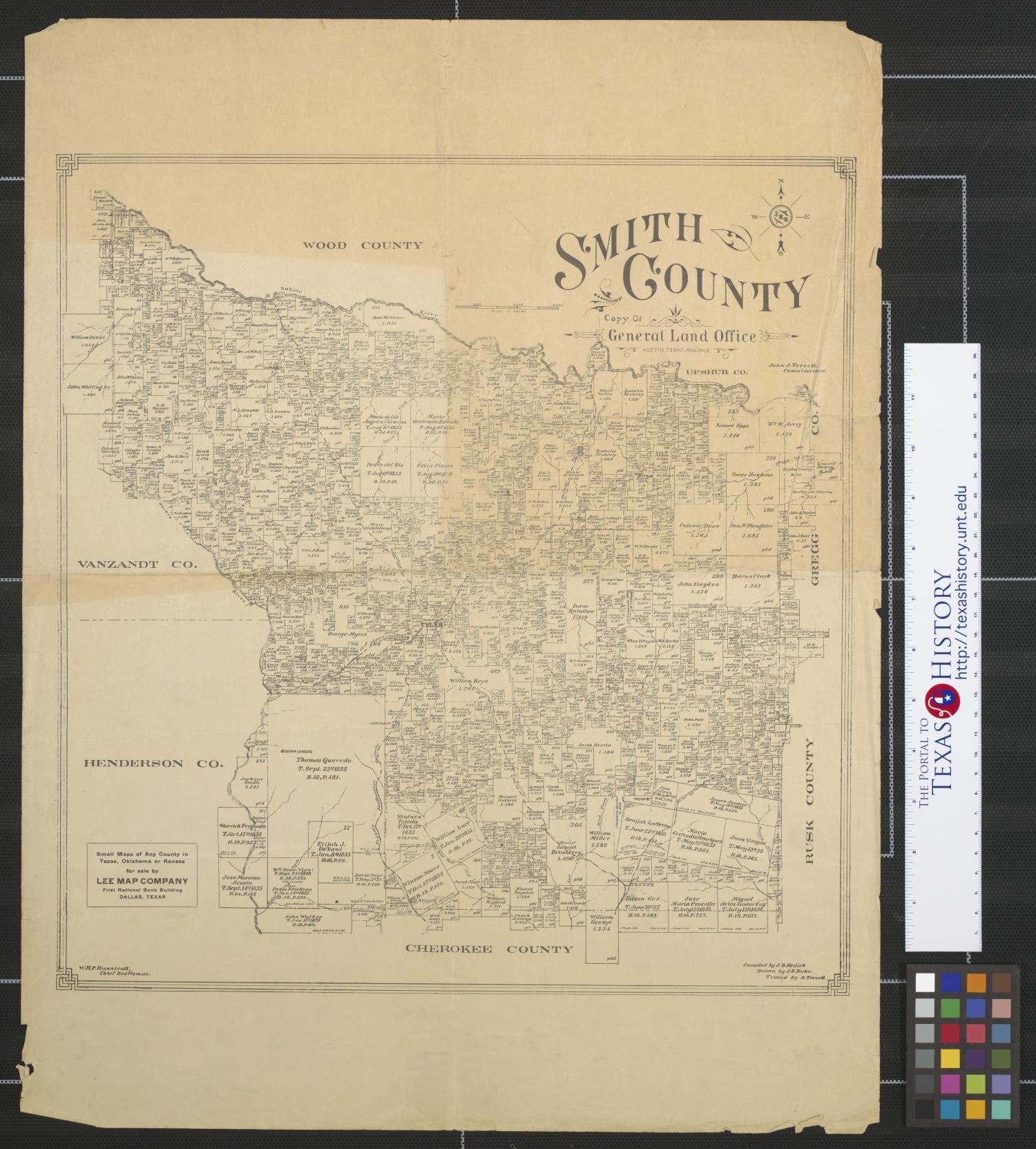
Smith County, Texas — Texas General Land Office map, 1903
Smith County · General Land Office · 1903Archive · Texas General Land Office · The Portal to Texas History (UNT Libraries) ↗ source
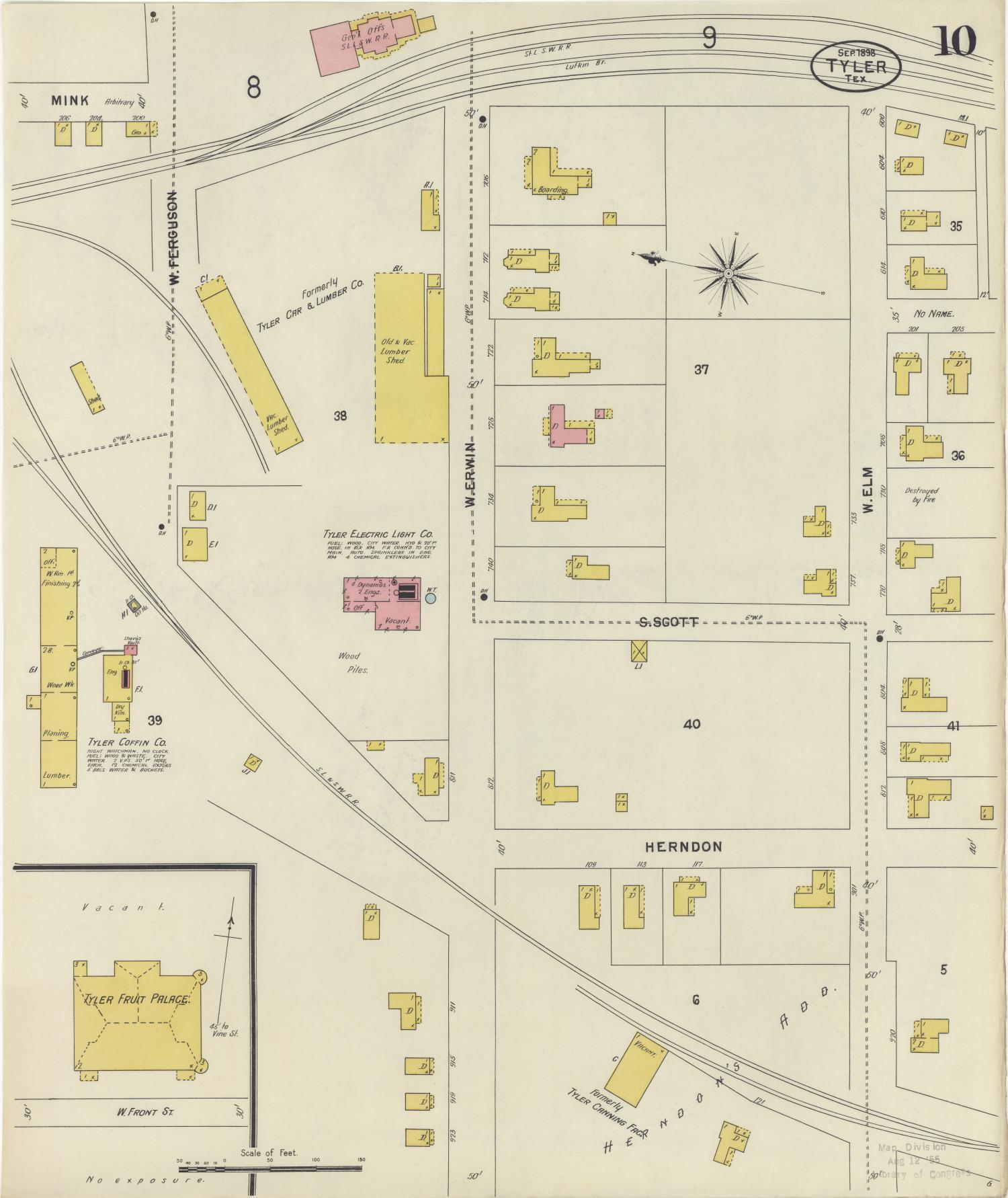
Sanborn Fire Insurance Map of Tyler, Texas — 1898, sheet 10
Sanborn Map · Tyler · 1898 sheet 10Archive · Sanborn Map Company · The Portal to Texas History (UNT Libraries) ↗ source
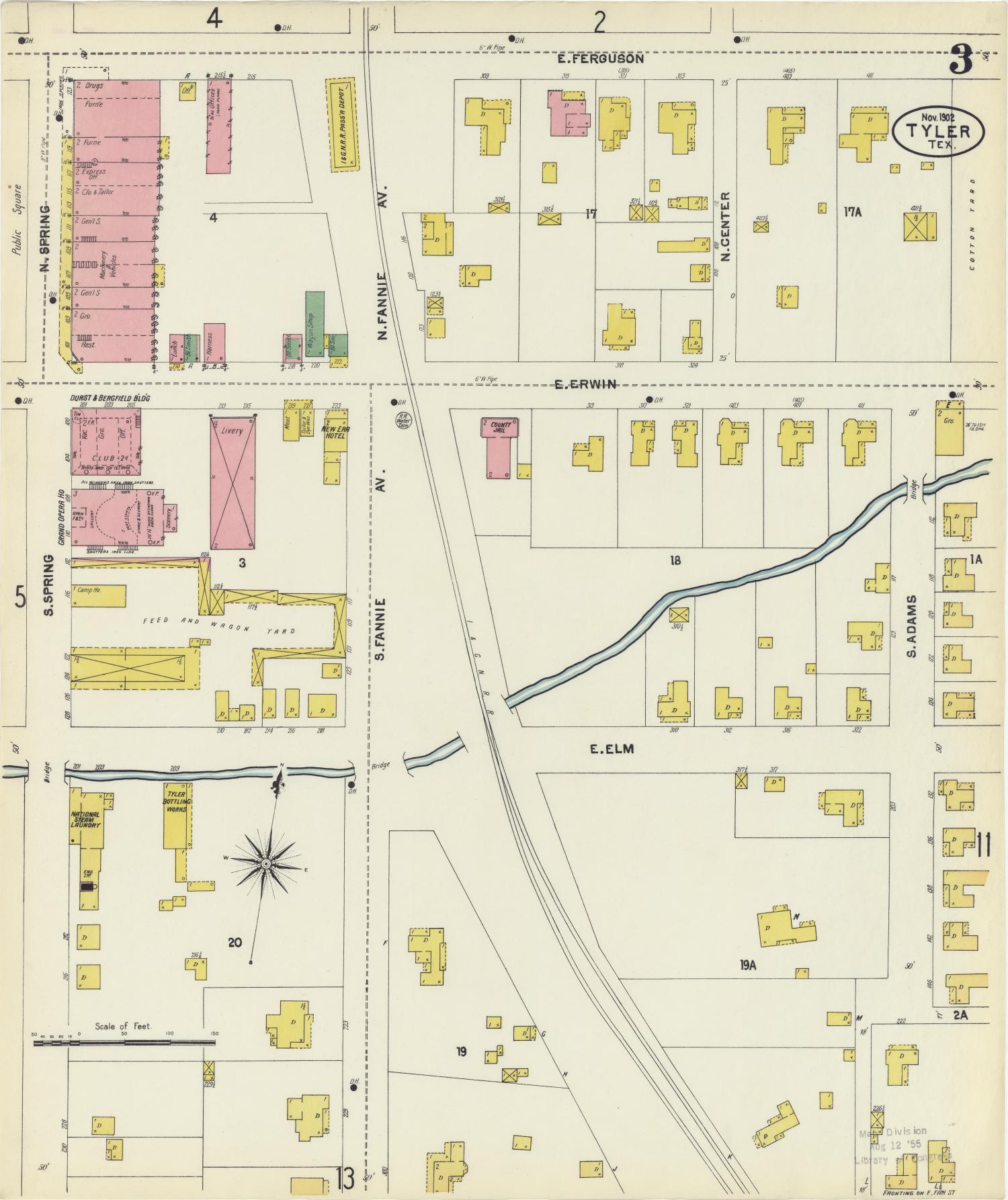
Sanborn Fire Insurance Map of Tyler, Texas — 1902, sheet 3
Sanborn Map · Tyler · 1902 sheet 3Archive · Sanborn Map Company · The Portal to Texas History (UNT Libraries) ↗ source
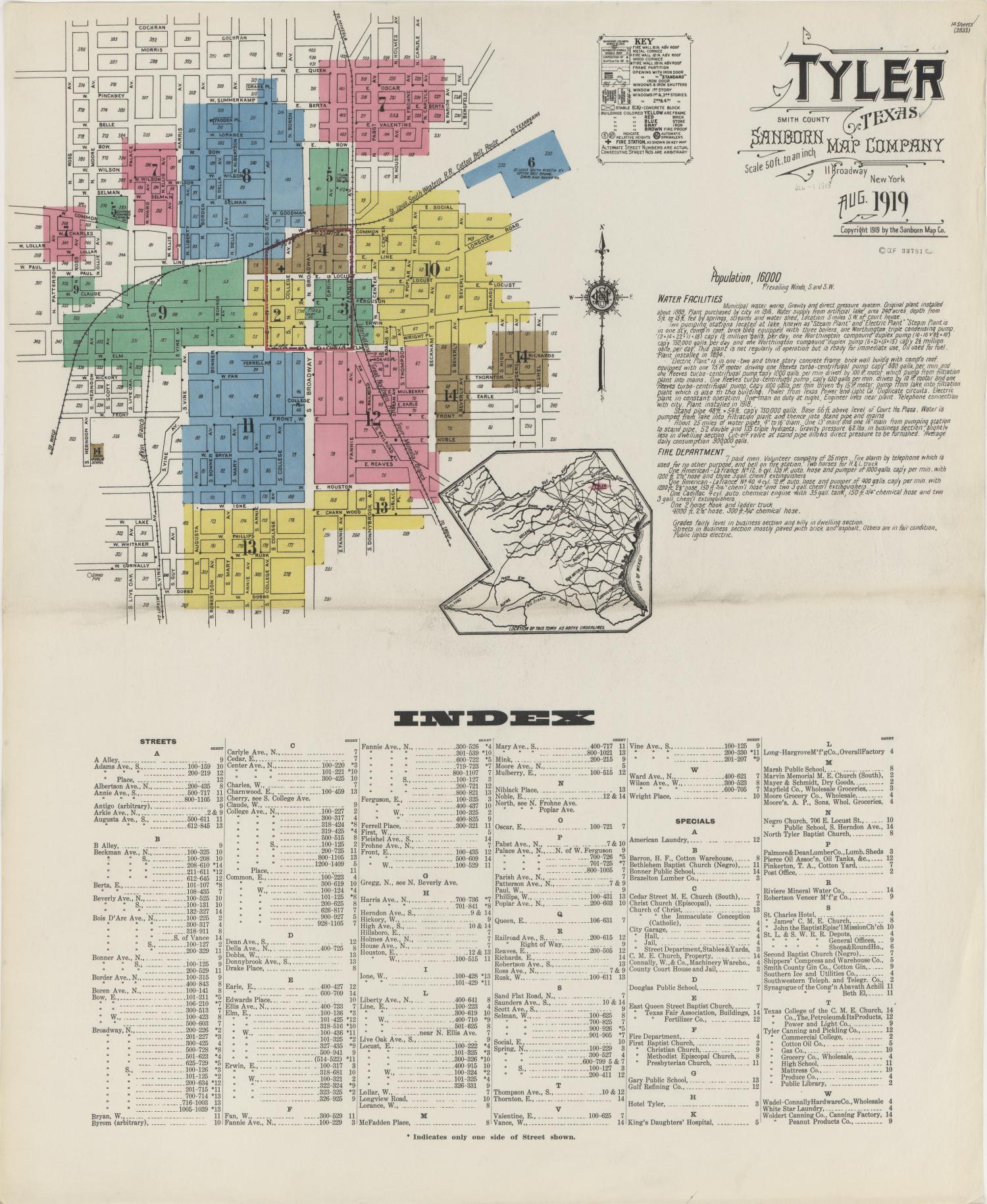
Sanborn Fire Insurance Map of Tyler, Texas — 1919
Sanborn Map · Tyler · 1919Archive · Sanborn Map Company · The Portal to Texas History · Dolph Briscoe Center for American History ↗ source
Sanborn Fire Insurance Map of Tyler, Texas — 1919, sheet 1
Sanborn Map · Tyler · 1919 sheet 1Archive · Sanborn Map Company · The Portal to Texas History (UNT Libraries) ↗ source
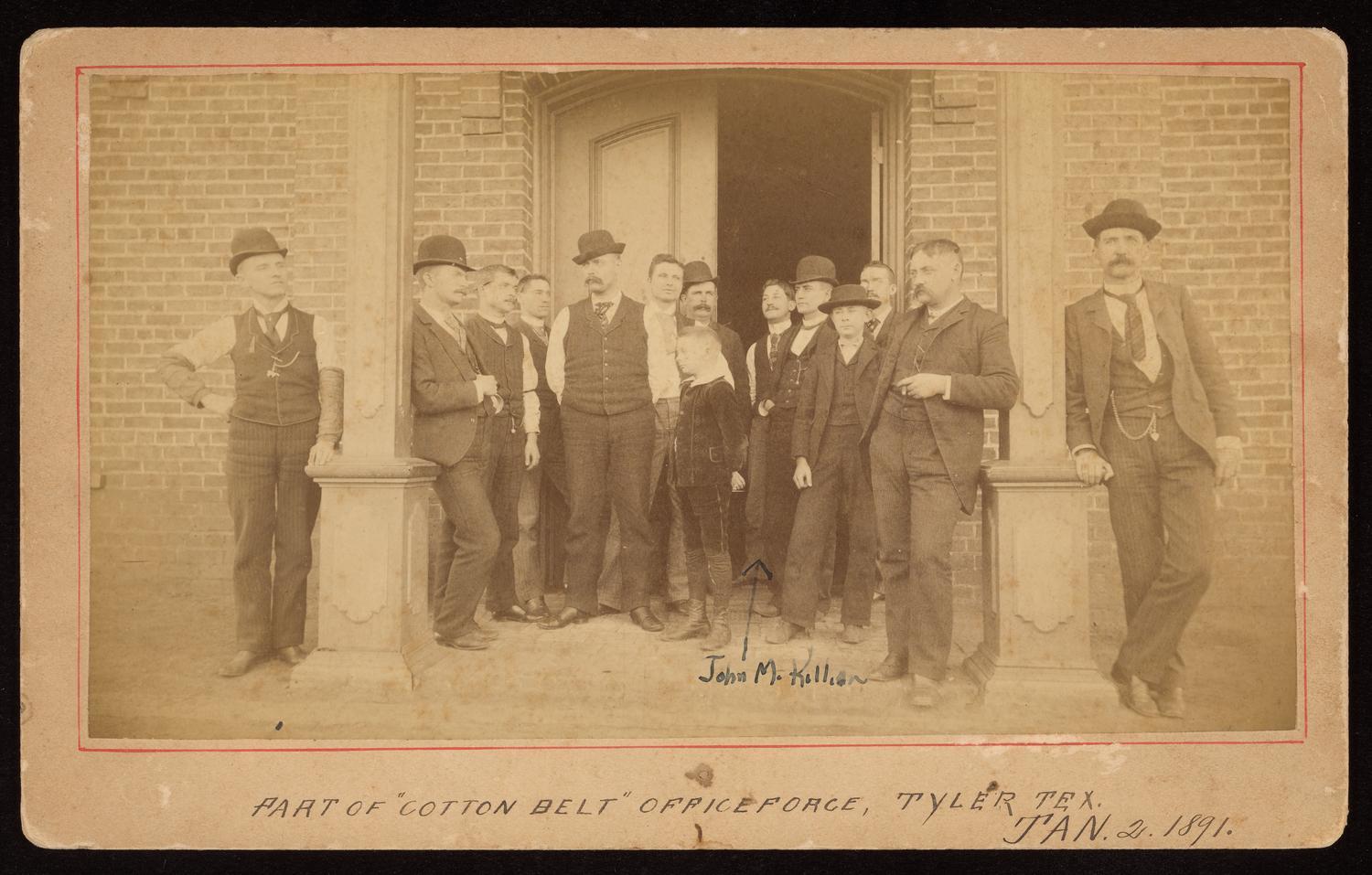
Cotton Belt Office Force, Tyler, Texas — January 2, 1891. Men and boys in bowler hats and dark suits in front of the Cotton Belt office.
Cotton Belt Office Force · Tyler · January 2, 1891Archive · Private Collection of T. B. Willis · The Portal to Texas History (UNT Libraries) ↗ source
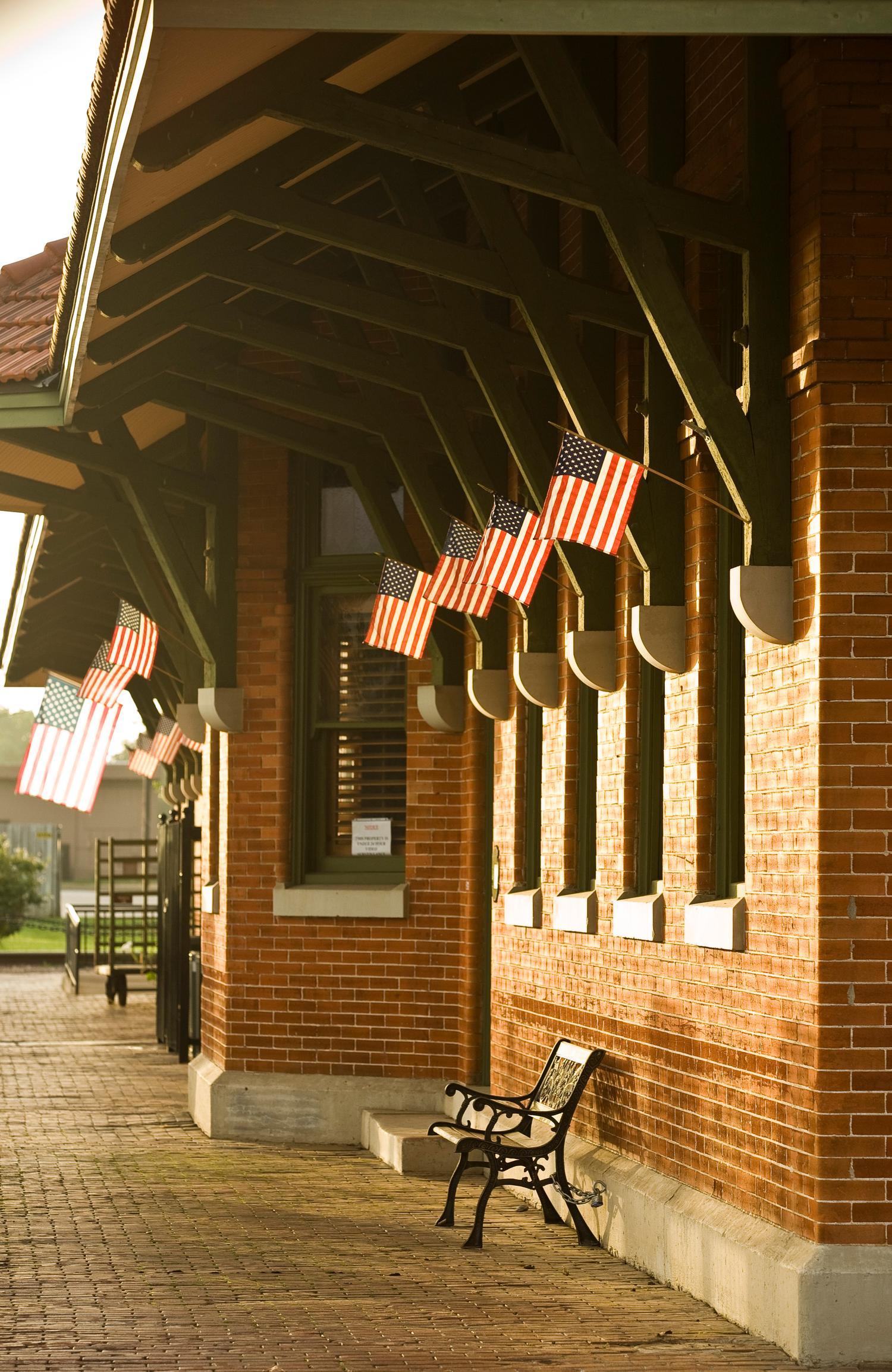
The Cotton Belt Depot, Tyler — built at the turn of the 20th century; now houses a railroad museum
Cotton Belt Depot · TylerArchive · Randy Mallory · Randy Mallory Papers · The Portal to Texas History (UNT Libraries) ↗ source
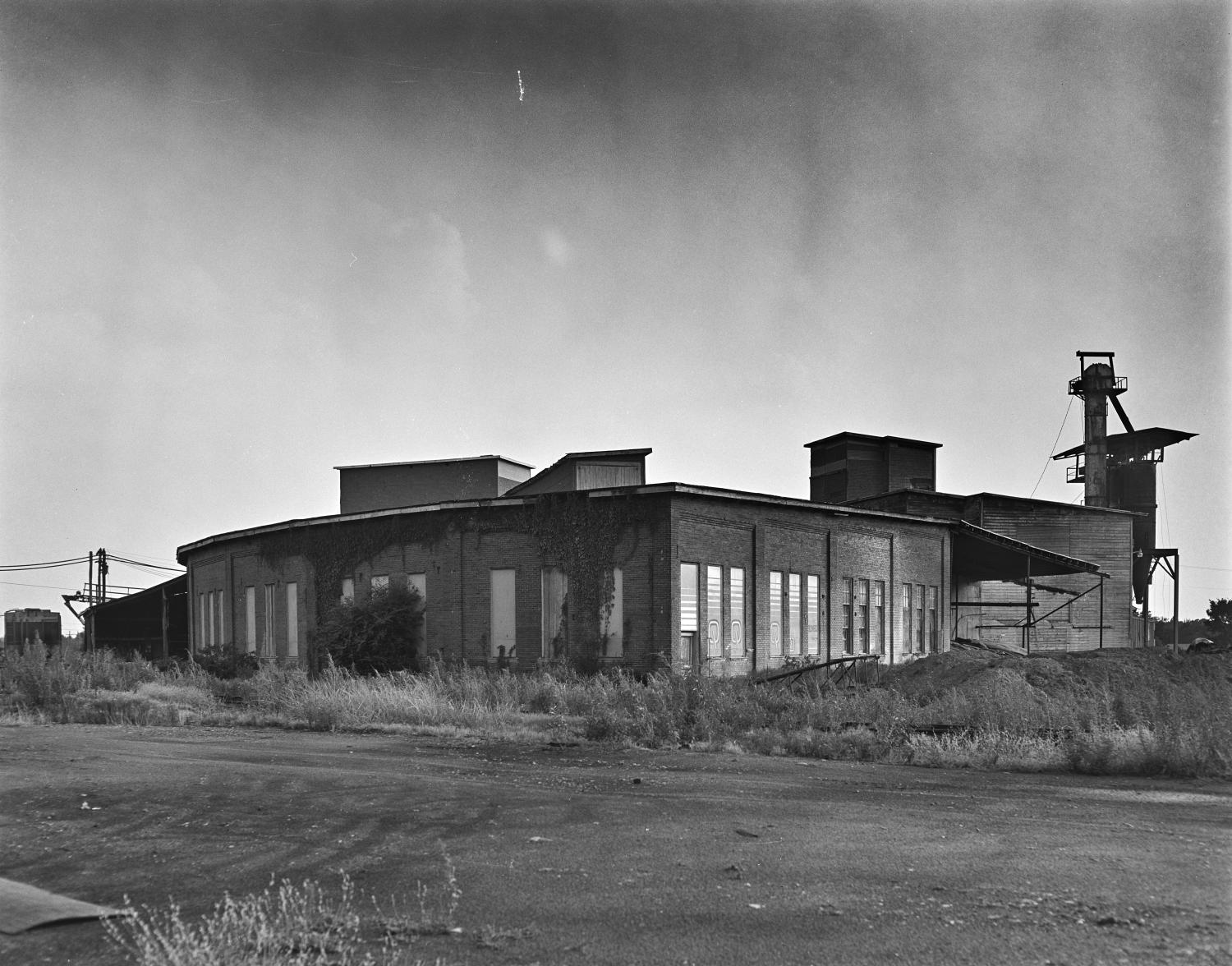
Old Cotton Belt Railroad Roundhouse, Tyler — north view
Cotton Belt Roundhouse · TylerArchive · The Portal to Texas History (UNT Libraries) ↗ source
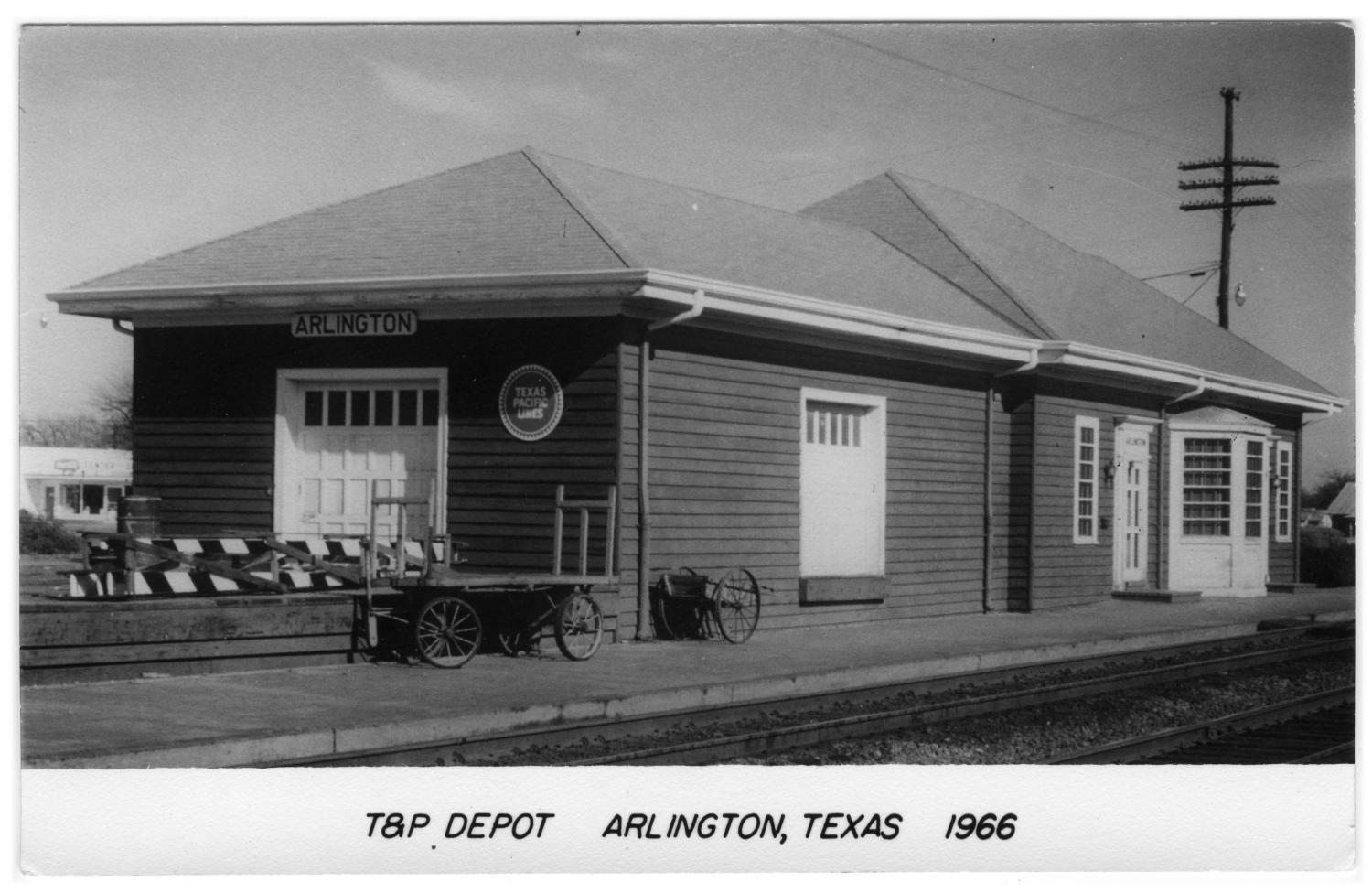
Texas & Pacific Depot, Tyler — historic train depot
T&P Depot · TylerArchive · The Portal to Texas History (UNT Libraries) ↗ source
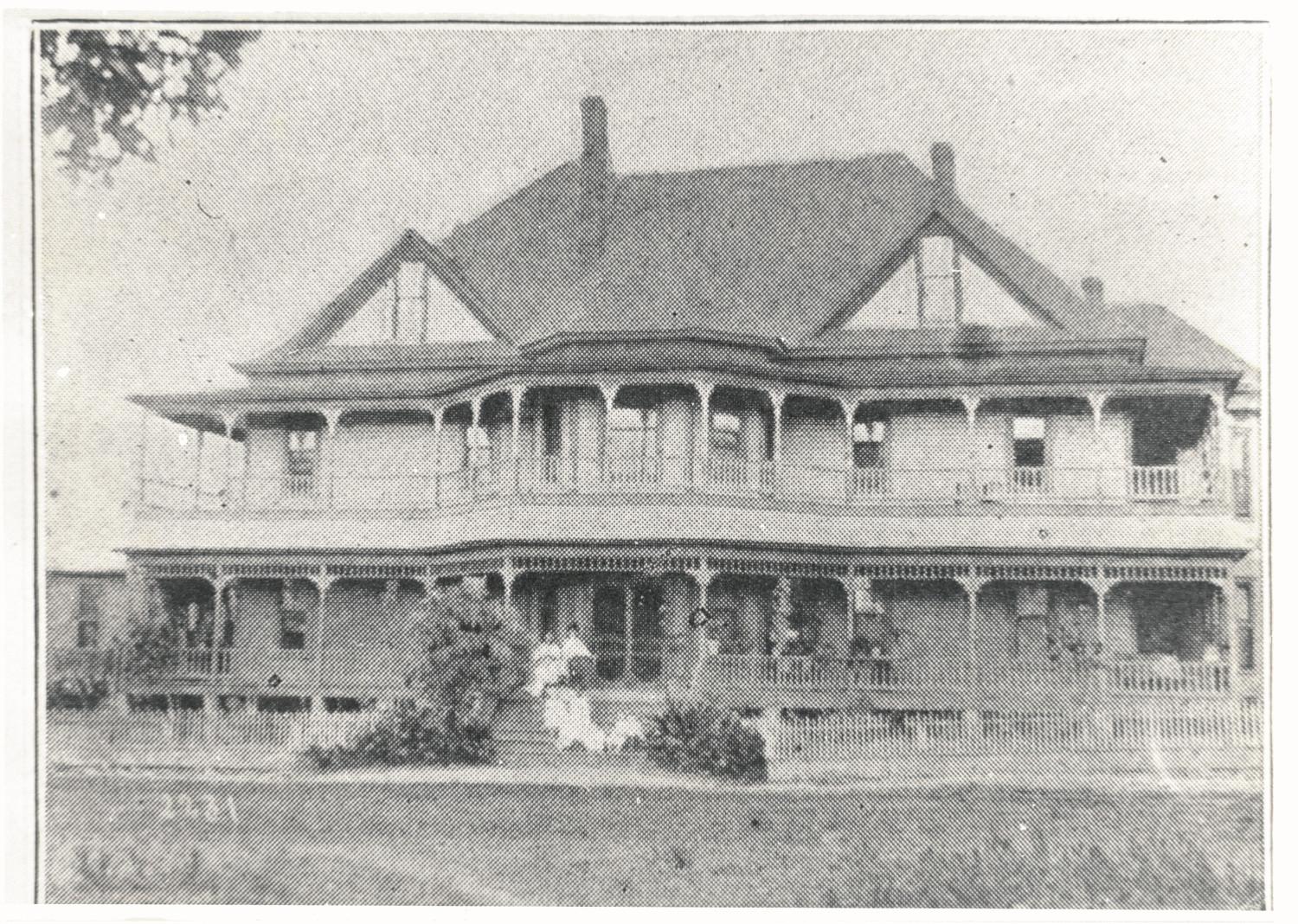
The Foster Hotel, Tyler — ca. 1900
The Foster Hotel · Tyler · c. 1900Archive · The Portal to Texas History (UNT Libraries) ↗ source
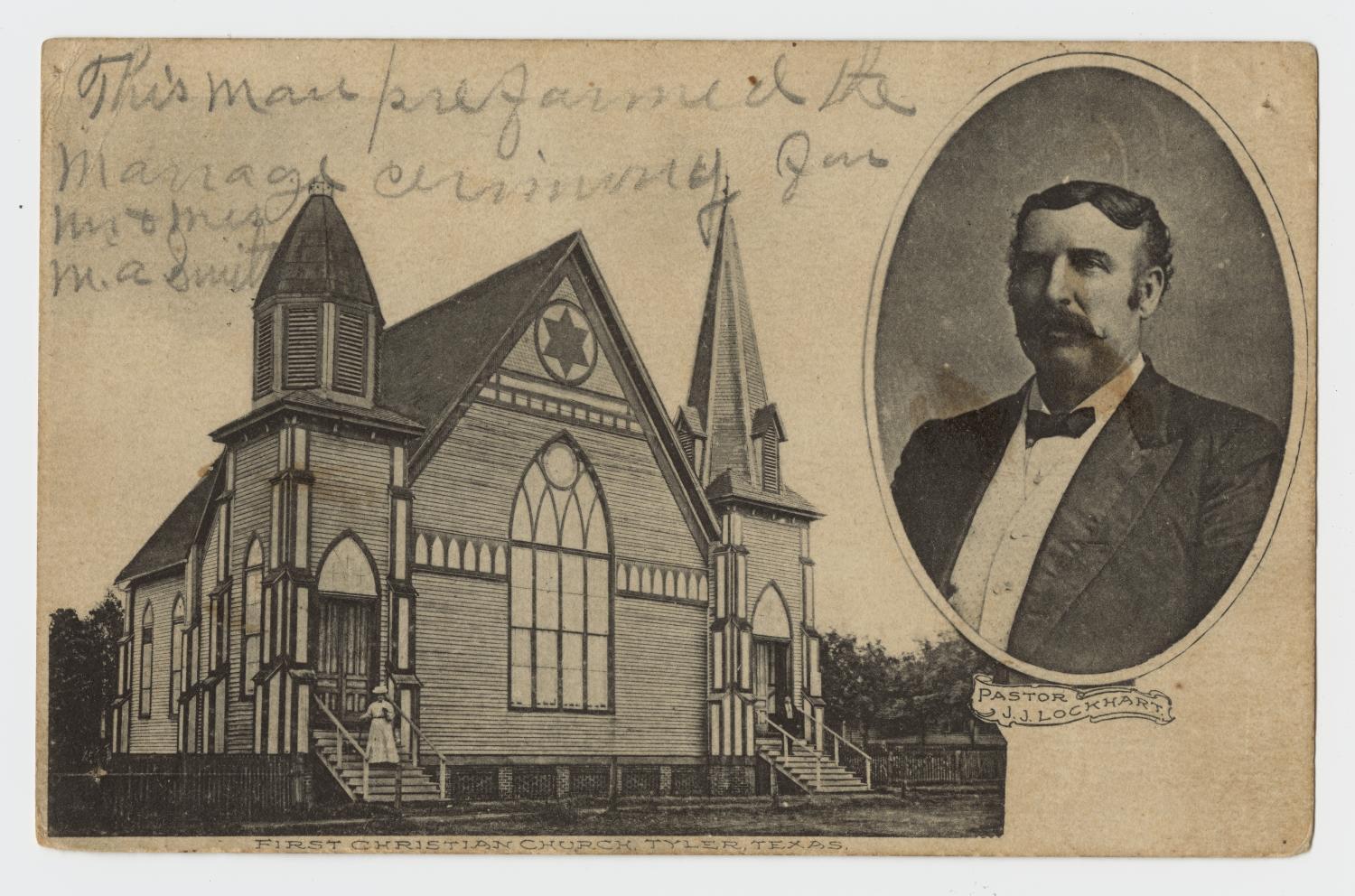
Postcard of First Christian Church, Tyler, 1906 — with pastor J. J. Lockhart
First Christian Church · Tyler · 1906Archive · The Portal to Texas History (UNT Libraries) ↗ source
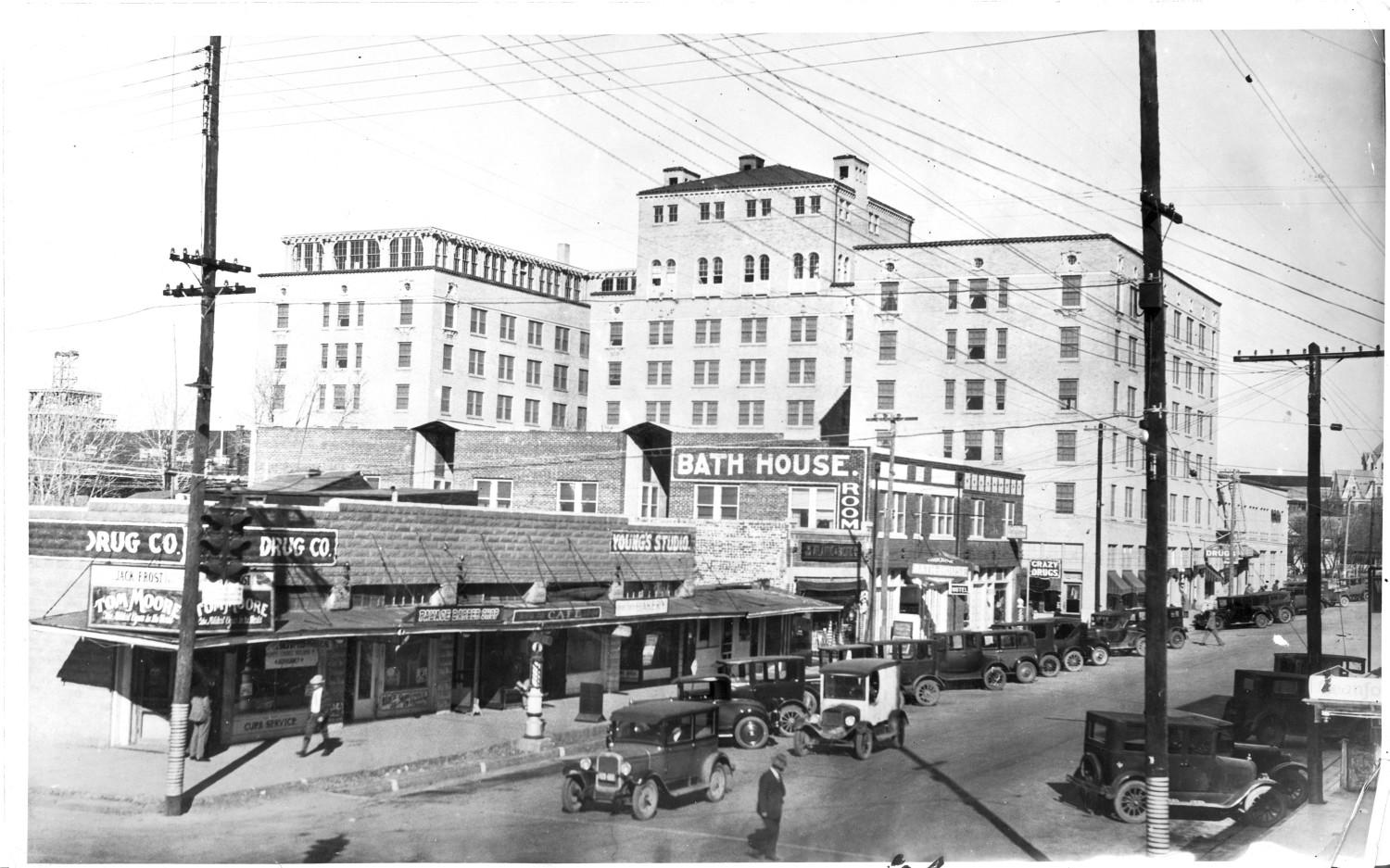
Tyler street scene, circa 1927 — pedestrian-era downtown
Downtown Tyler · street scene · c. 1927Archive · Smith County Historical Society · The Portal to Texas History (UNT Libraries) ↗ source
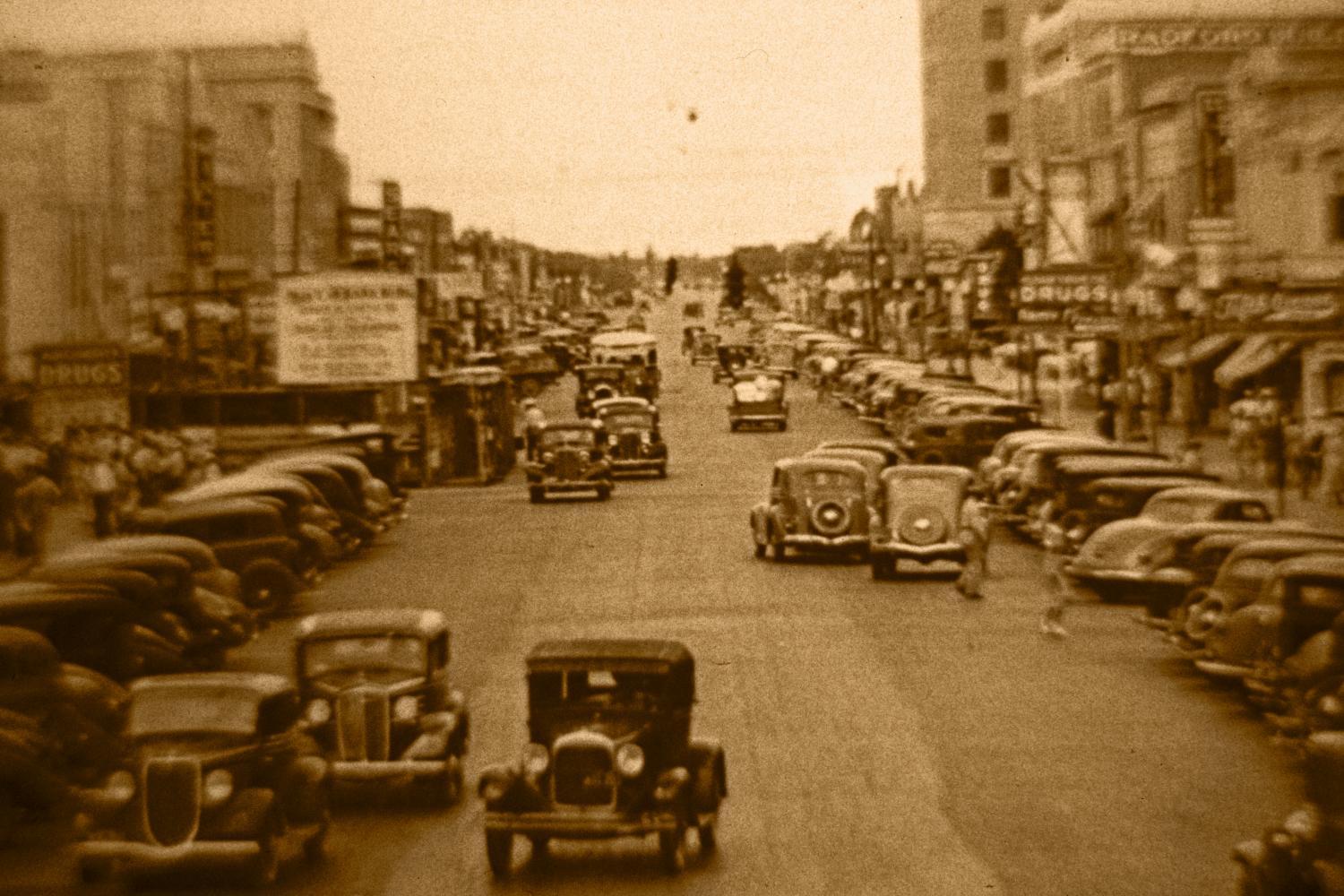
Pine Street in Tyler, 1930s — storefronts and pedestrians on a downtown block
Pine Street · Tyler · 1930sArchive · Smith County Historical Society · The Portal to Texas History (UNT Libraries) ↗ source
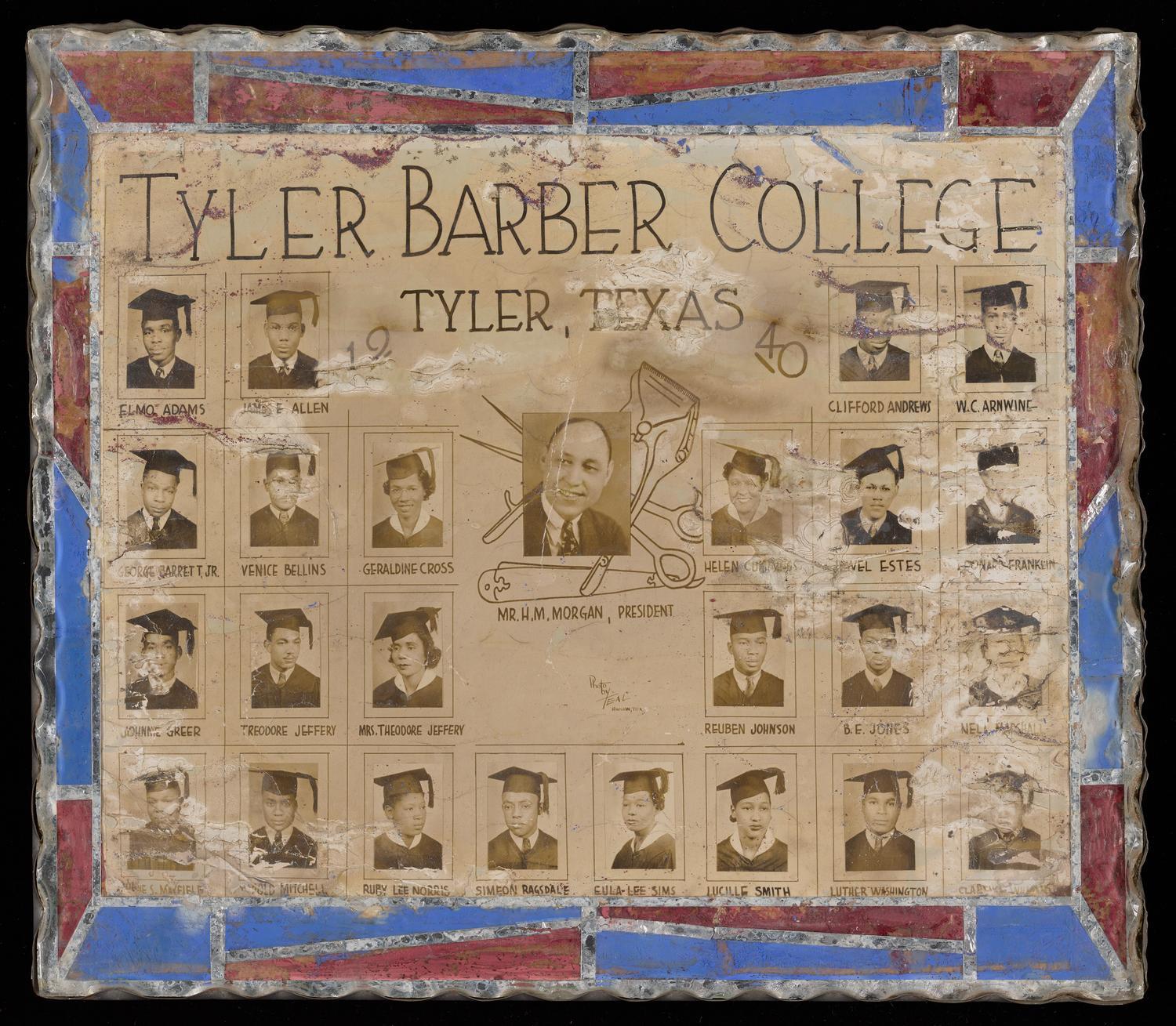
Tyler Barber College Class of 1940 — group portrait
Tyler Barber College · class of 1940Archive · Tarrant County Black Historical and Genealogical Society · The Portal to Texas History ↗ source
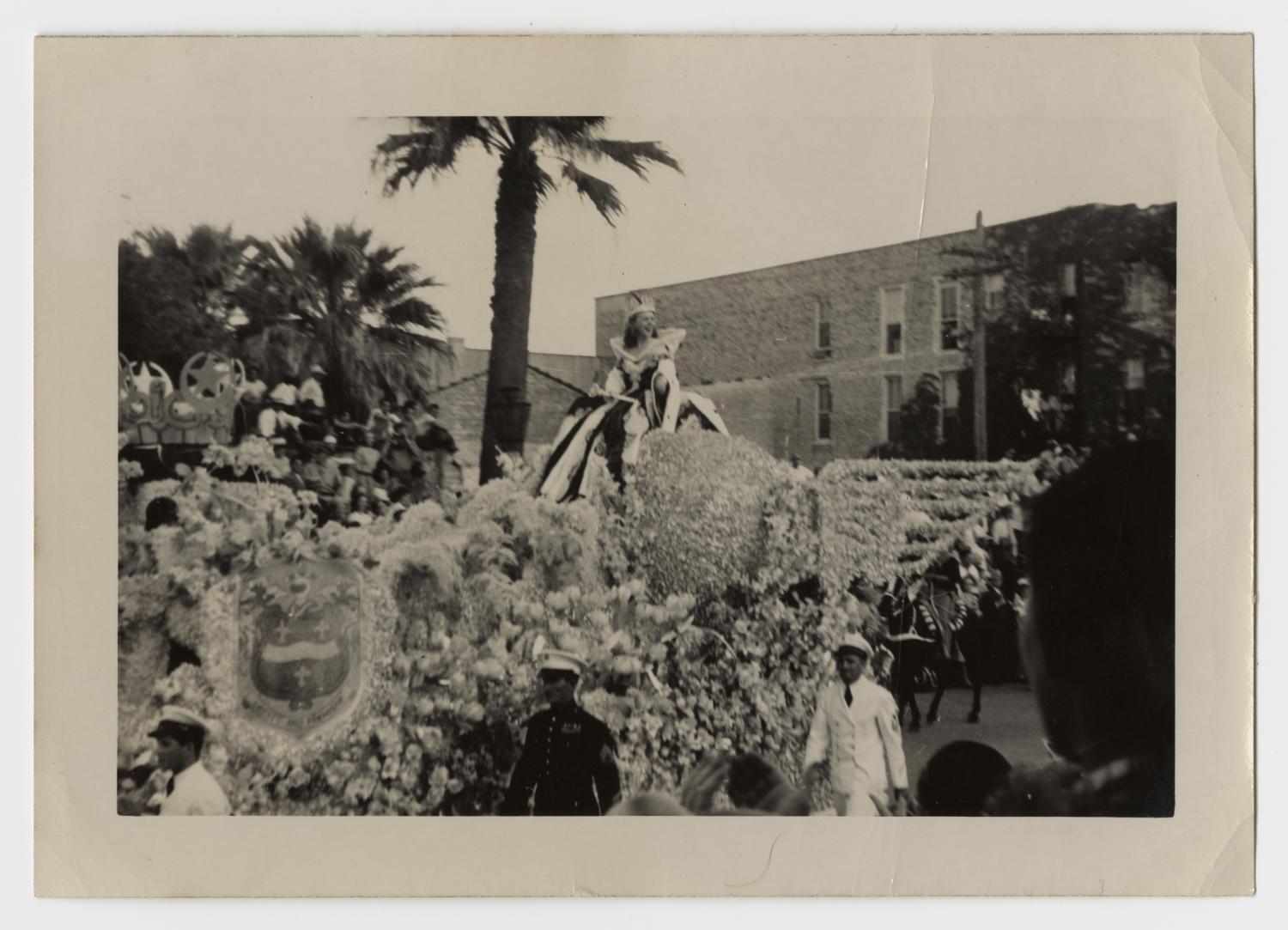
Parade float — "Battle of the Flowers," Tyler area, 1948
Battle of the Flowers parade · 1948Archive · Albert Kiecke · The Portal to Texas History (UNT Libraries) ↗ source
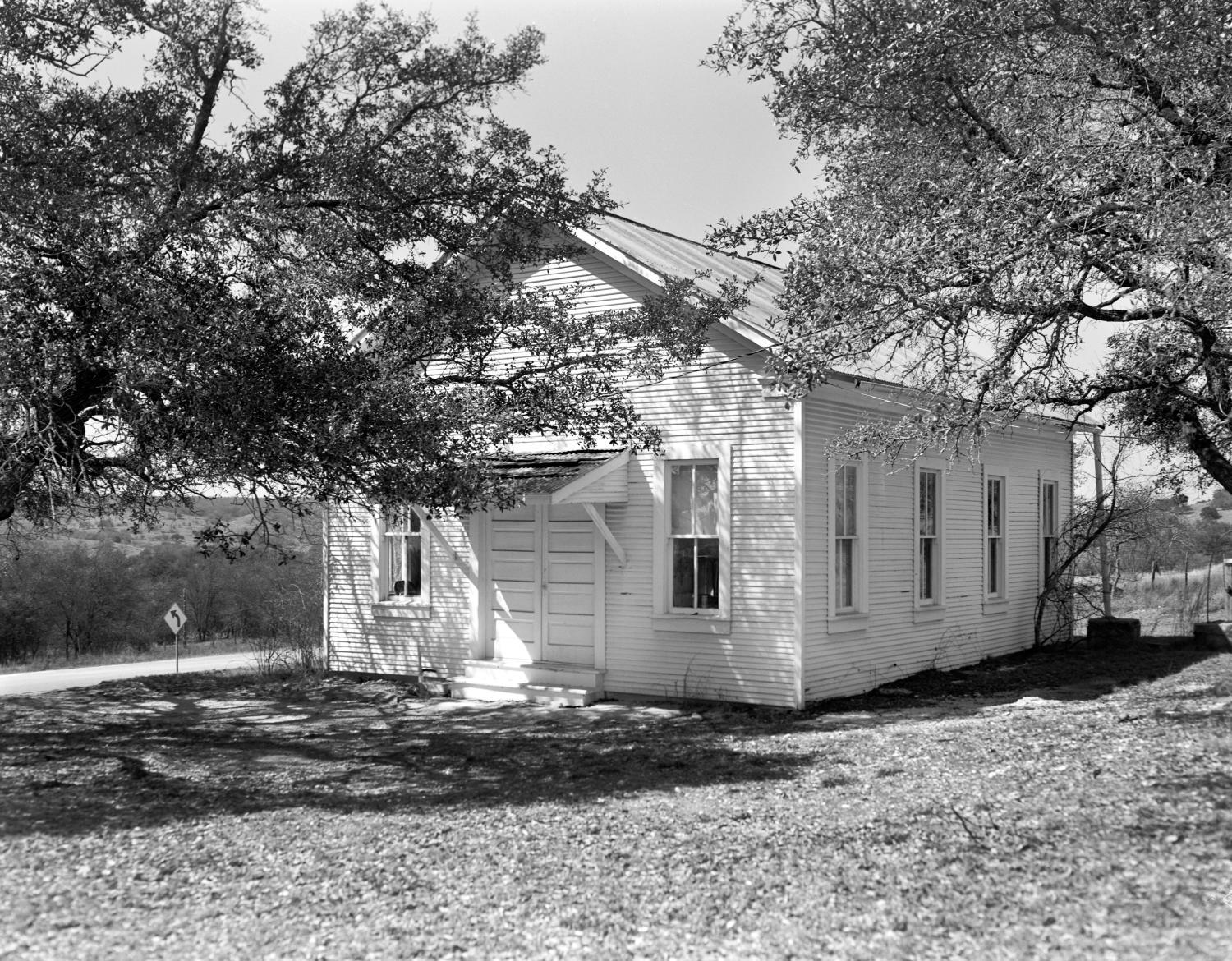
Lindendale School House — historic photograph of an early Lindale-area school
Lindendale School House · Smith CountyArchive · The Portal to Texas History (UNT Libraries) ↗ source
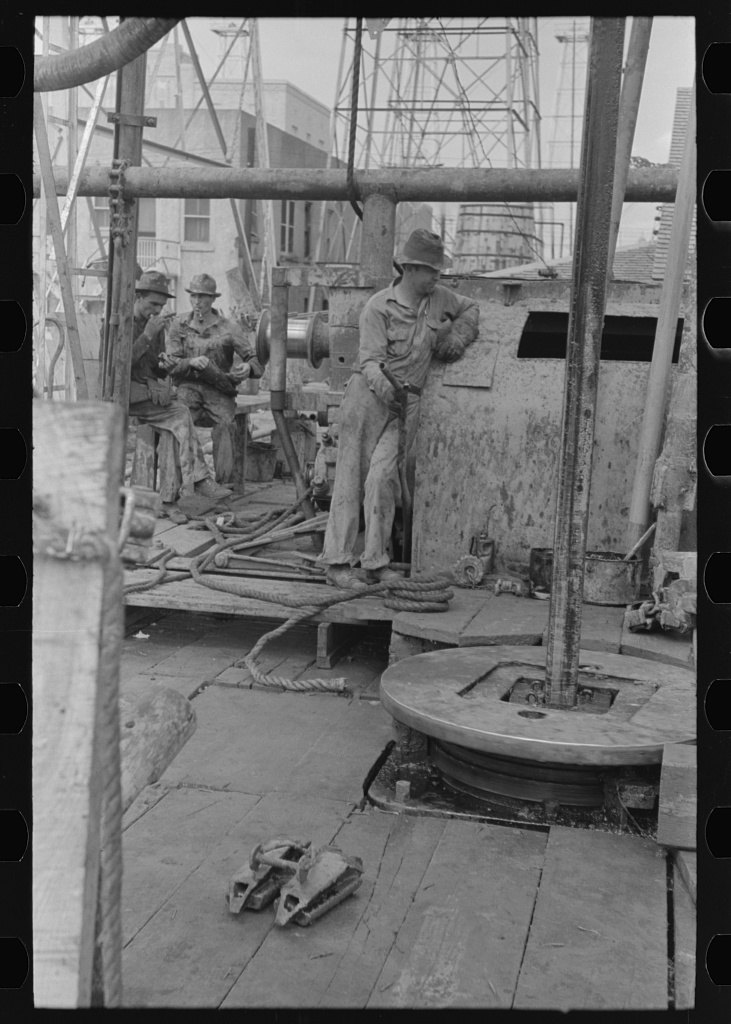
Oil drillers talking with drill bits in front of them, Kilgore, Texas — April 1939
East Texas Oilfield · Kilgore · April 1939Archive · Russell Lee · U.S. Farm Security Administration · Library of Congress LC-USF33-012179-M3 · public domain ↗ source
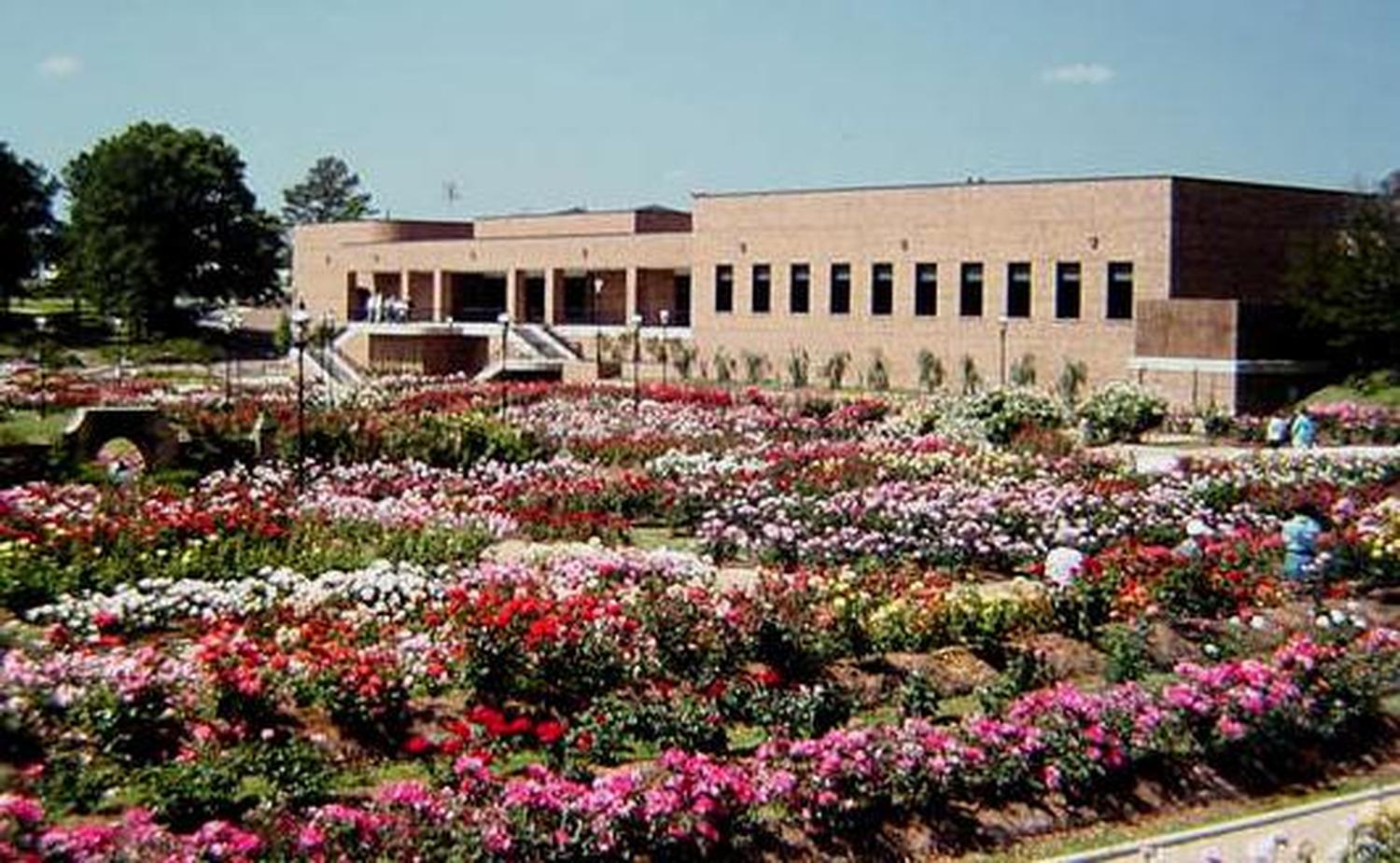
Tyler Rose Garden Center & Rose Museum — exterior
Tyler Rose Garden Center · 2001Archive · Randy Mallory · The Portal to Texas History (UNT Libraries) ↗ source
§ The three takeaways

Three patterns explain
almost everything you just saw.

Pattern 01 — Mobility

Rail → road → loop, in one direction only.

Once Smith County started paving (1921), it never went back to rail. Every subsequent mobility investment — Loop 323 in 1957, I-20 through Lindale, Loop 49 from 2003 — extended the car-only model further out. Transit started in 1942 and was never the primary spine.

Pattern 02 — Land use

Each new road unlocked another ring of single-family.

Tyler's zoning since the 1950s has strongly favored detached single-family, low-density suburban housing. The 'missing middle' — townhomes, duplexes, small apartments — barely exists by-right. Tyler Tomorrow (2026) finally names this.

Pattern 03 — Politics

Oil money made the model feel free.

The 1930 oilfield gave Tyler a tax base and a professional class without requiring the density of a real city. Suburban infrastructure felt affordable because the marginal cost was hidden by oil revenue and federal highway dollars. That subsidy is fading. The bill is coming due.

§ Up next — Chapter 02

If that's how we got here,
where could we go?

The Vision chapter walks through the seven pillars that distinguish every thriving small city from every struggling one — and applies them, block by block, to downtown Tyler.

The Cotton Belt Depot, Tyler — built at the turn of the 20th century; now houses a railroad museum
Cotton Belt Depot · TylerArchive · Randy Mallory · Randy Mallory Papers · The Portal to Texas History (UNT Libraries) ↗ source