We are not asking to experiment.
We are asking to restore.
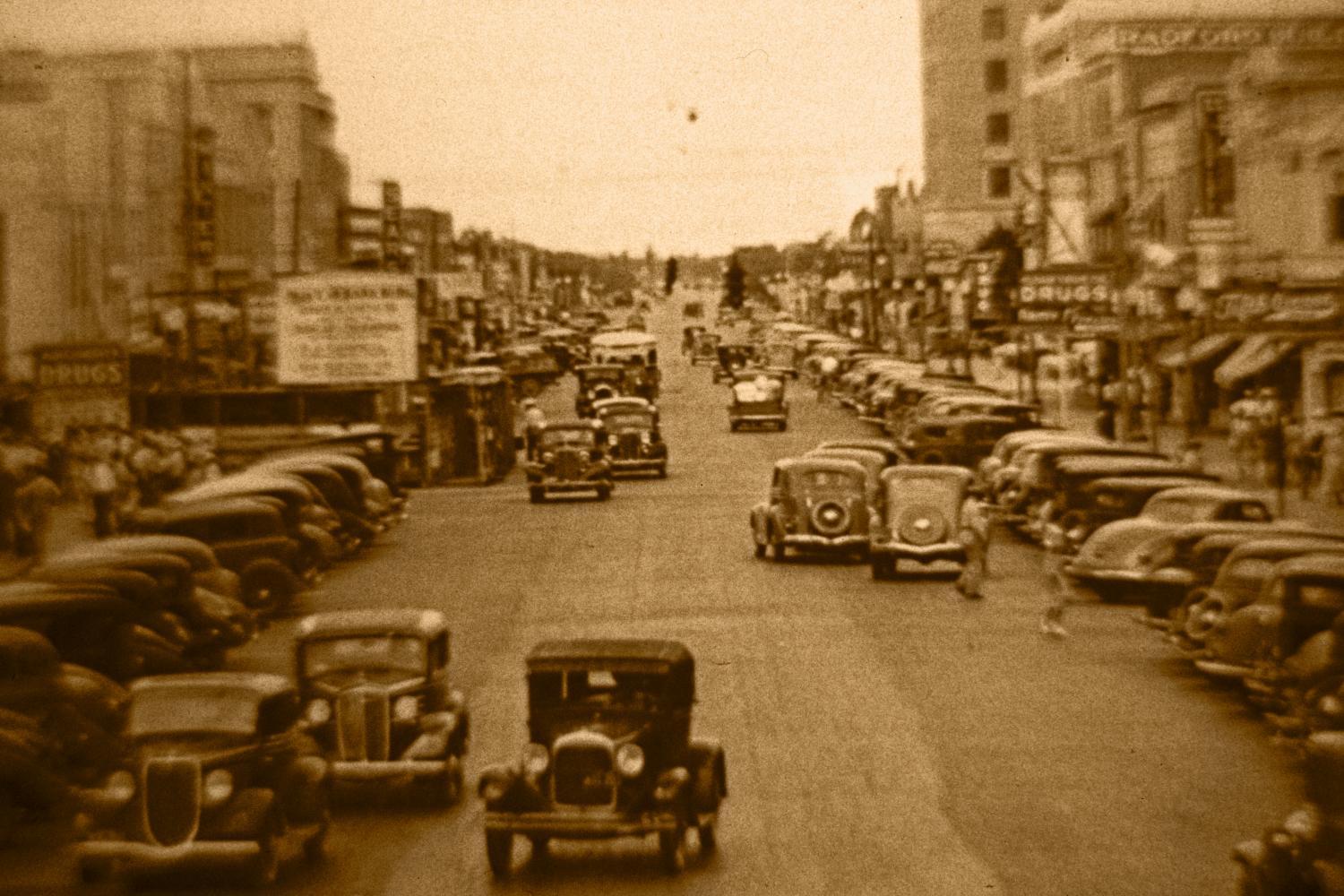
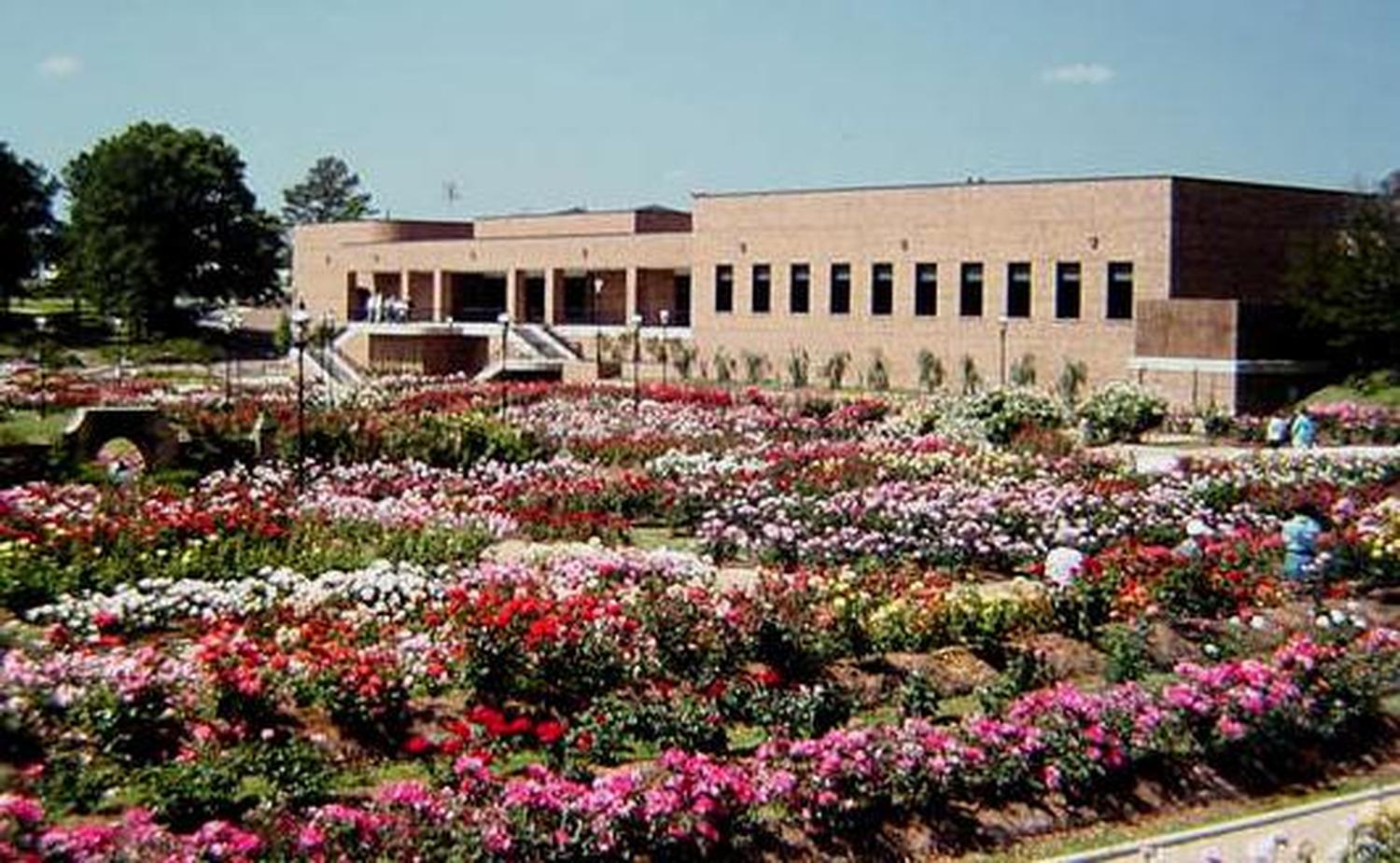
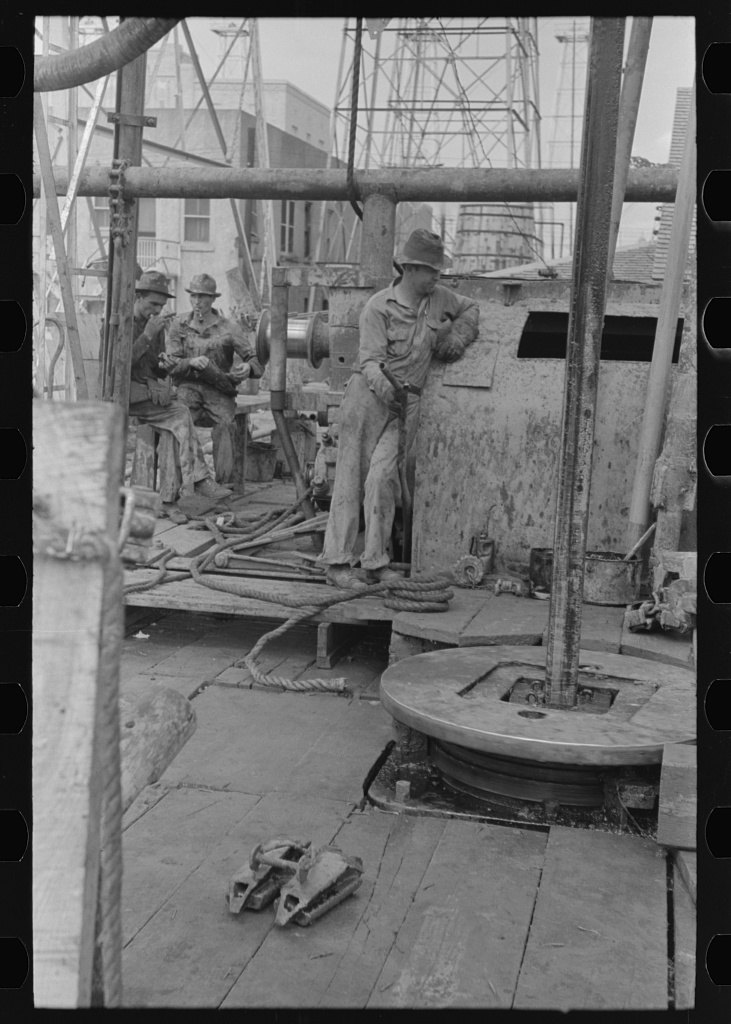
Tyler used to be a walkable city. Lindale used to be a station town built around a depot. The Cotton Belt connected both, the brick streets carried both, and the rose fields and orchards fed both. The pattern worked. It was inherited from every American town before 1940.
Then a hundred small decisions — a courthouse split for Broadway in 1955, Loop 323 in 1957, Loop 49 starting in 2003, zoning that quietly outlawed the missing middle — turned a real city into a place you can't buy bread without a car.
The good news. Every one of those decisions can be reversed. The Tyler Tomorrow Plan, adopted March 25, 2026, finally names the problem. The next twenty years of council votes either lock the pattern in — or break it.
Every East Texas town
was shaped by five decisions.
Tyler and Lindale weren't planned the way they look today — they were accumulated. A railroad here, a highway there, a loop, a zoning code. The map you drive every day is the cumulative answer to questions almost nobody got to vote on.
Three Sanborn maps,
twenty-one years apart.
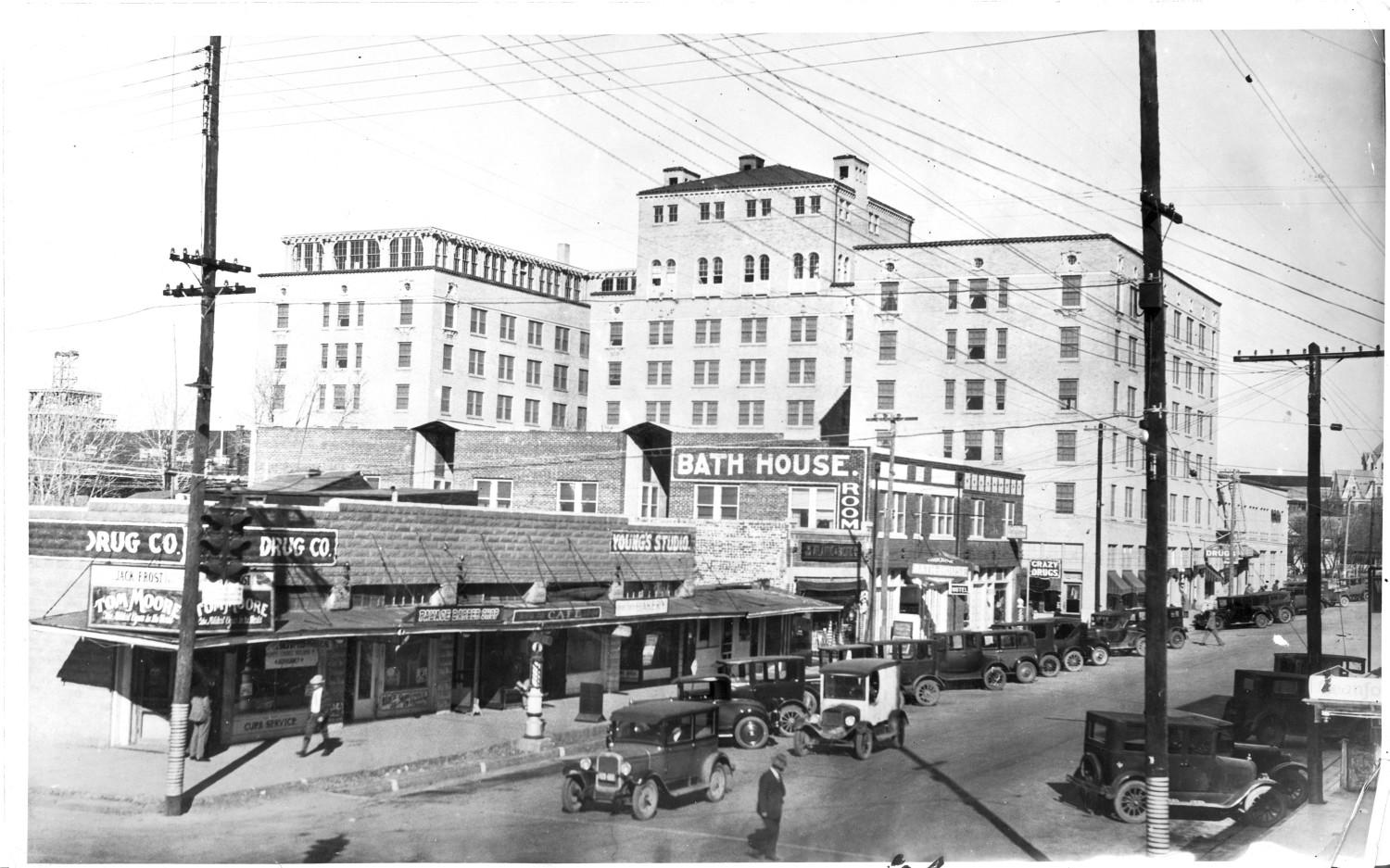
Sanborn fire-insurance maps were drawn so insurance underwriters could rate buildings block-by-block. They are the closest thing we have to a frozen photograph of how Tyler actually worked in 1898, in 1902, and in 1919 — when every store had a name, every block had a use, and you walked between them.
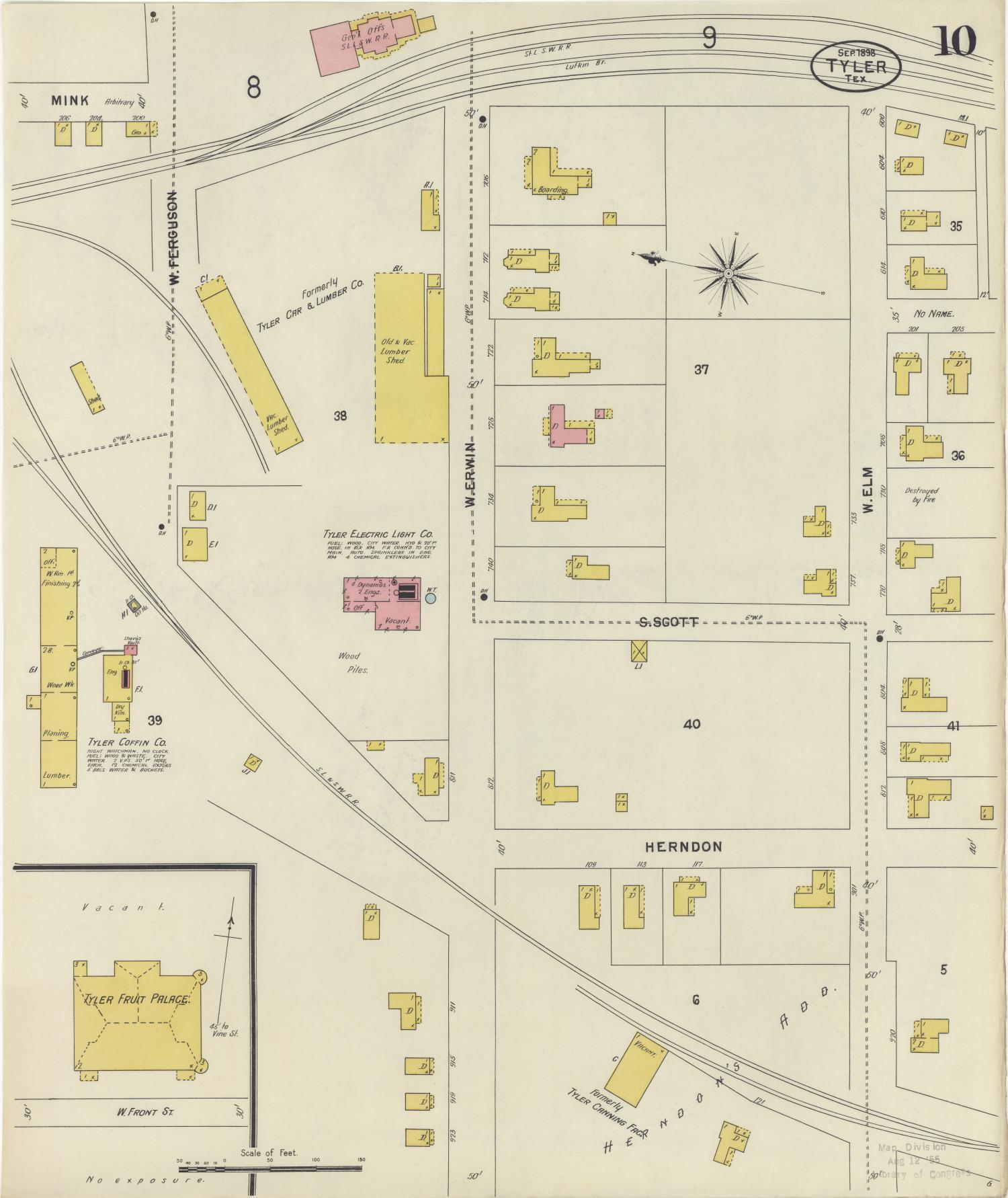
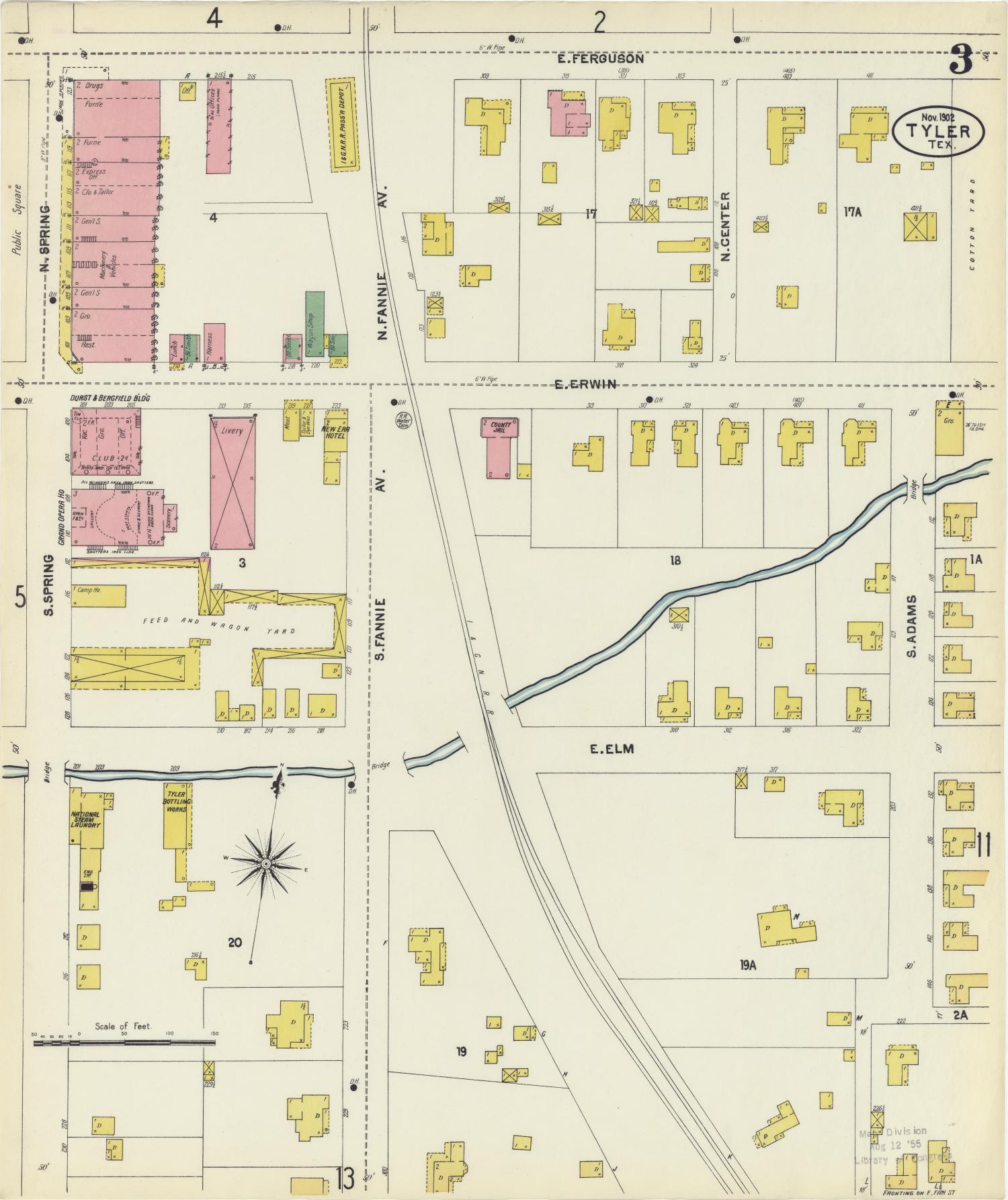
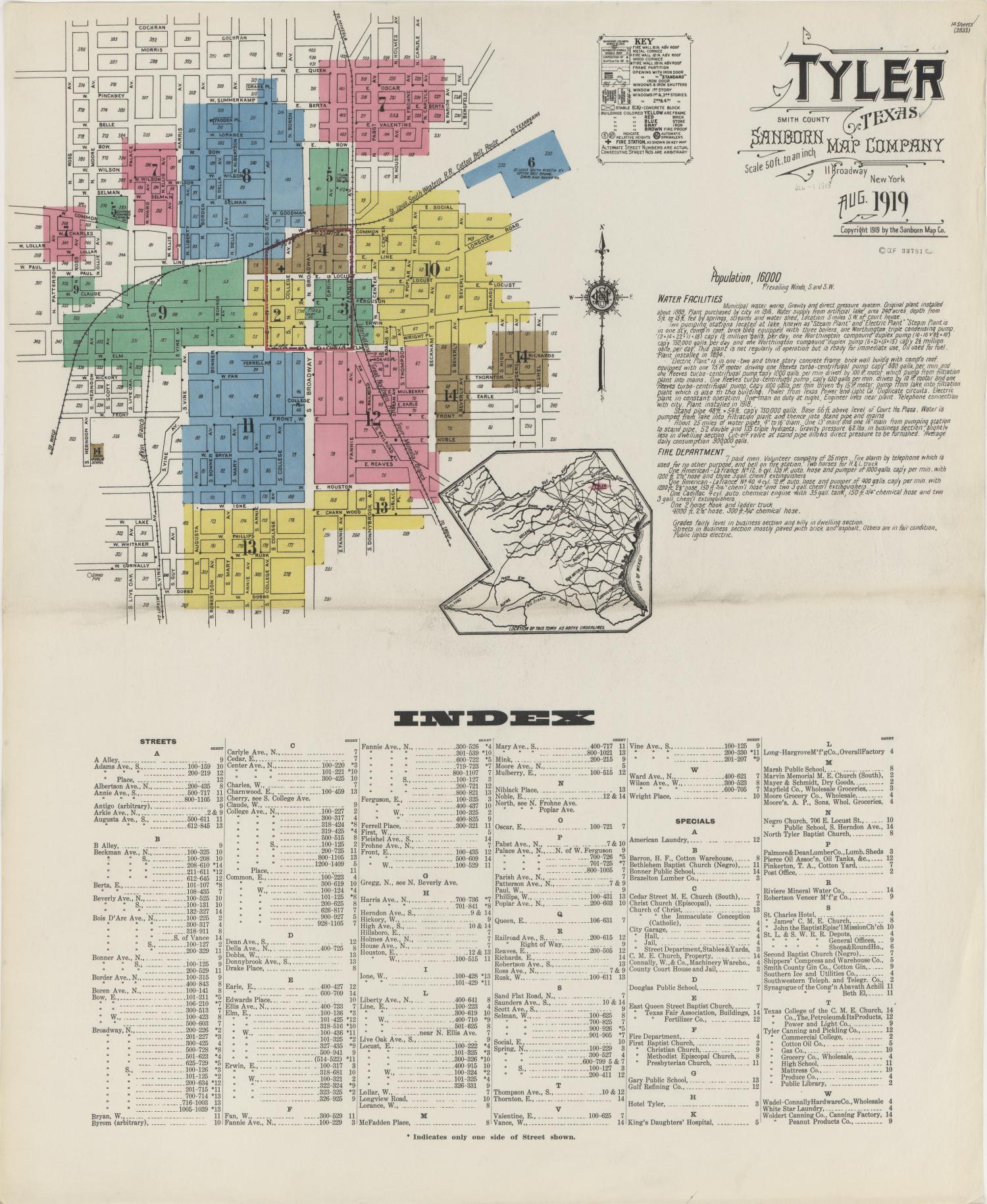
Sanborn Map Company. Held by The Portal to Texas History at UNT Libraries; also Library of Congress. Public domain.
The growth is here.
The question is what kind.
Growth is happening. Tyler Tomorrow projects this rate continuing through 2045. The argument is whether the next 20,000 new neighbors live in a place built for people — or built for parking lots.
Every parcel rezoned this year either compounds the sprawl or starts to undo it.
A Tyler block where you can live, work, eat, and walk home in fifteen minutes.
Not a fantasy. Not Dallas, not Amsterdam — here.Pre-1940s brick buildings already line the downtown core. The bones are intact. What's missing isn't taste — it's infrastructure, density, and a few zoning decisions away from a real Main Street.
Tyler is the right size to prove that the standard that works in Copenhagen and Pittsburgh and Carmel, Indiana works just as well in a town of fifty thousand people with hot summers and a tax base built on oil and healthcare.
Here's what your week
could look like — without leaving Tyler.
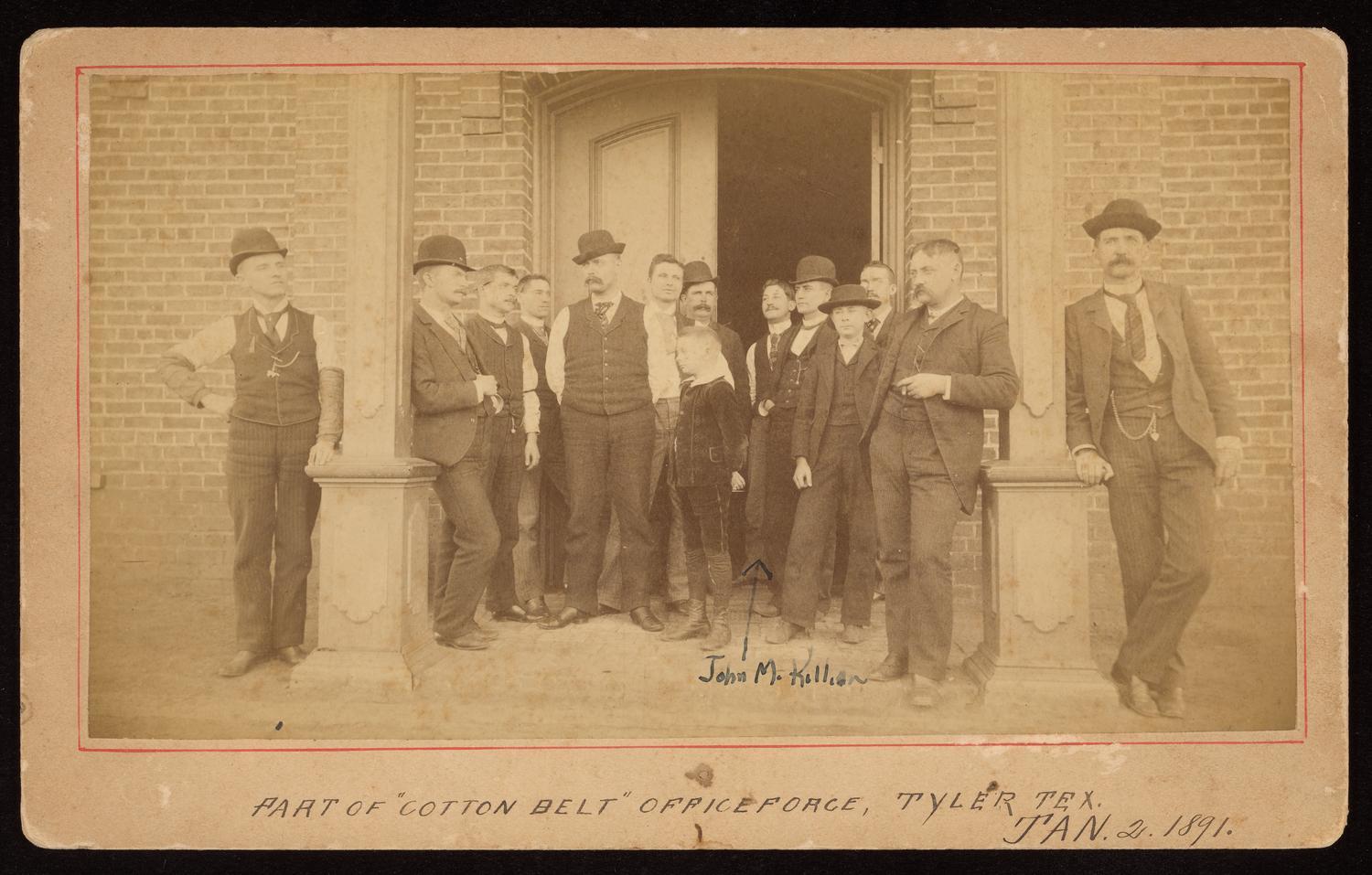
We're not inventing this. East Texans already did this for the better part of a century. The Mayfair had a Saturday-night band. The Tyler State Park pavilion had Friday dances. The courthouse square had a Friday concert at 7 PM. Walking to dinner was the only kind of dinner. Then we forgot. We can remember.
- 5:42 PMYou park once. The walk home from work runs past a coffee shop, a butcher, and the cousin you haven't seen in a month.
- 6:10 PMDinner is two blocks away. Kids walk ahead. You don't carry car keys.
- 7:00 PMFree band concert on the square. Civic band, 90 minutes, like 1920. Bring a chair.
- 8:30 PMLights still on at the public library. Adult-ed German class wraps up.
- 8:00 AMFarmers' market on the courthouse square. Peaches in July; pecans in October.
- 10:00 AMHalf-Mile of History walking tour, free, volunteer-led. Different docent every week.
- 12:00 PMBrick-streets weekend: two blocks downtown closed to cars. Vendors and a bluegrass band.
- 7:30 PMDance at the Tyler State Park pavilion. CCC-built, 1939. Same floor your grandparents danced on.
Sixteen traditions.
Some still here.
Most forgotten on purpose.
Friday-night band concerts and pavilion dances, June through August. Local musicians on rotation. Free, family-friendly, no phones on the floor.
Standing Saturday-night dance. Live bands. The building reopened April 2024 — make it a tradition again instead of a venue you rent.
A weekend each June: lectures from local historians, free music, kids' workshops, civic forums. Tent on the courthouse square. Bring a chair.
A standing 7 PM Friday concert from Memorial Day to Labor Day. Five rotating bands. The brick streets are already perfect.
A 'Tomato Days' weekend at the start of June — a tomato-themed farmers market, salsa competitions, tomato-sandwich tasting, kids' tomato-toss.
A Saturday in mid-July devoted to peaches. Local growers, peach ice cream, peach cobbler contest, orchards open for tours.
Where the next 20 years
actually gets decided.
Smith County Commissioners Court. Tyler City Council. Lindale City Council. Planning & Zoning. Three minutes at a podium, on the right Wednesday morning, decides whether the parcel next to you is townhomes or another stand-alone drive-through.
Four pages.
About forty minutes of reading.
An interactive timeline from 1846 to 2045 — rails, roads, oil, loops, and the choices made along the way.
Walk the timeline →02 / VISIONSeven pillars. A before/after of a real block. The fiscal math. Case studies of cities that did it.
See the vision →03 / OPINIONOne resident's opinionated take. Specific to Tyler and Lindale. Some of it expensive. None of it impossible.
Read the opinion →04 / ACTIONScore your block. Find the next council vote. Sign on. Show up. Forward this page.
Take action →